Thicket Clearing in Atlanta, GA
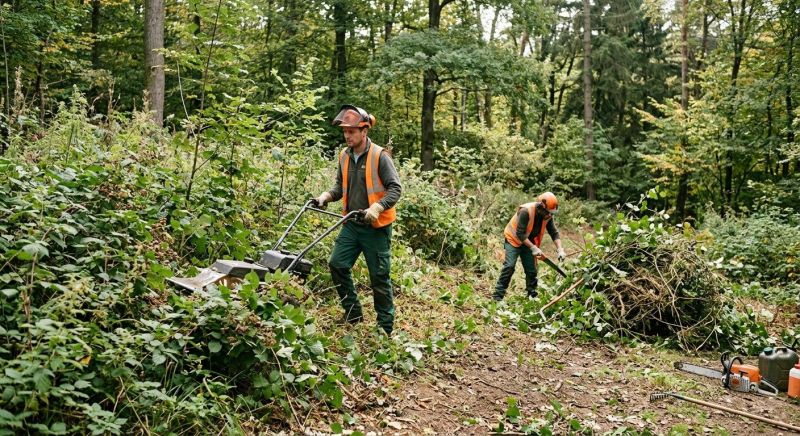
Thicket clearing services involve removing dense brush, overgrown vegetation, and unwanted underbrush to improve the safety, appearance, and usability of a property. These services are often requested for projects such as preparing land for new construction, creating open spaces for recreation or landscaping, or restoring natural areas that have become overgrown. Property owners typically want to understand the extent of clearing needed, the types of vegetation that will be removed, and how the process may impact existing trees or structures on the land.
Before requesting thicket clearing, homeowners should consider the size and condition of the area to be cleared, as well as any local regulations or restrictions related to land use. It’s helpful to have a clear idea of the desired outcome-whether it’s a cleared lot for development, a more manageable yard, or a natural space to preserve. Understanding the scope of work and any potential limitations can ensure the project aligns with property goals and expectations.
Many property owners in Atlanta, GA look into Thicket Clearing for repairs, replacements, upgrades, and appearance-related improvements.
Thicket Clearing For Property Expansion
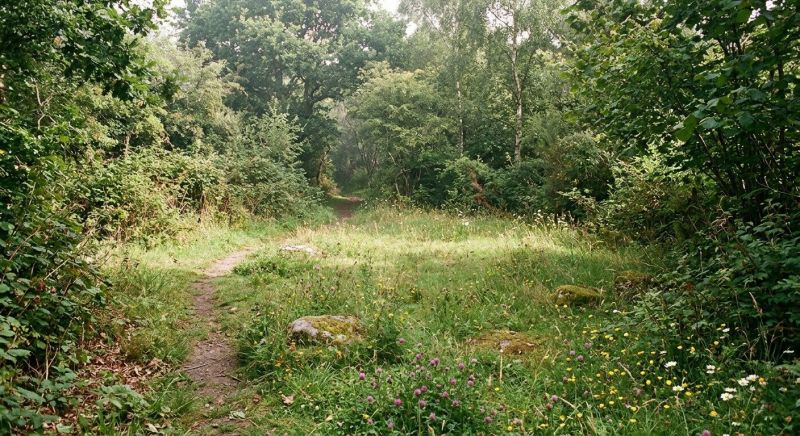
Removing dense brush and undergrowth to create open spaces for development or landscaping.
Site Preparation And Land Management
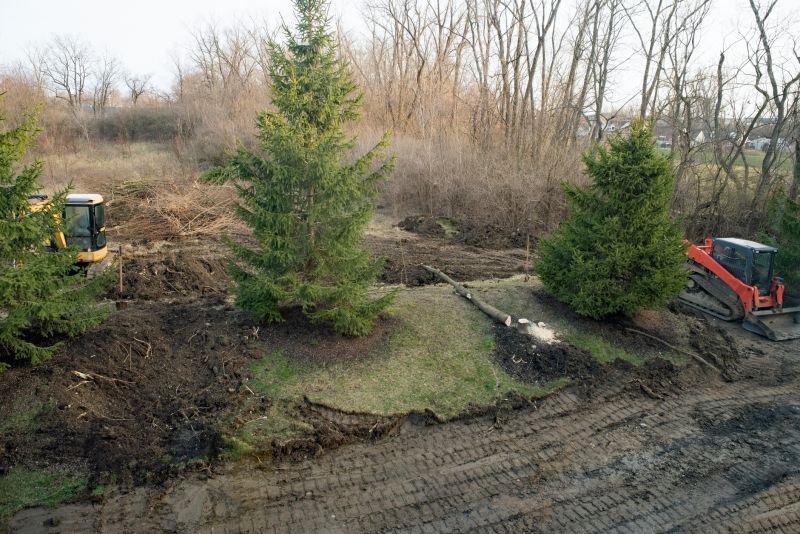
Clearing overgrown areas to prepare land for construction, gardening, or recreational use.
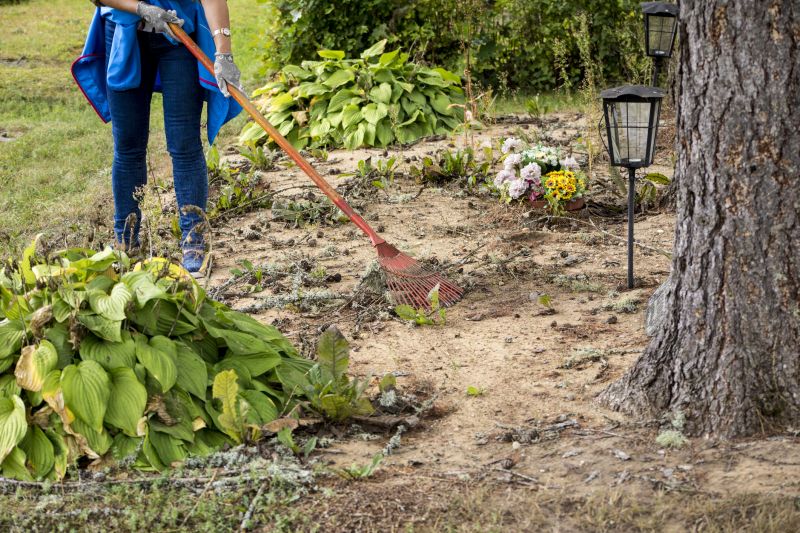
Vegetation Removal For Safety And Maintenance
Clearing thick vegetation to reduce fire risk and improve property accessibility in atlanta and nearby areas.
Thicket Clearing in Atlanta, GA
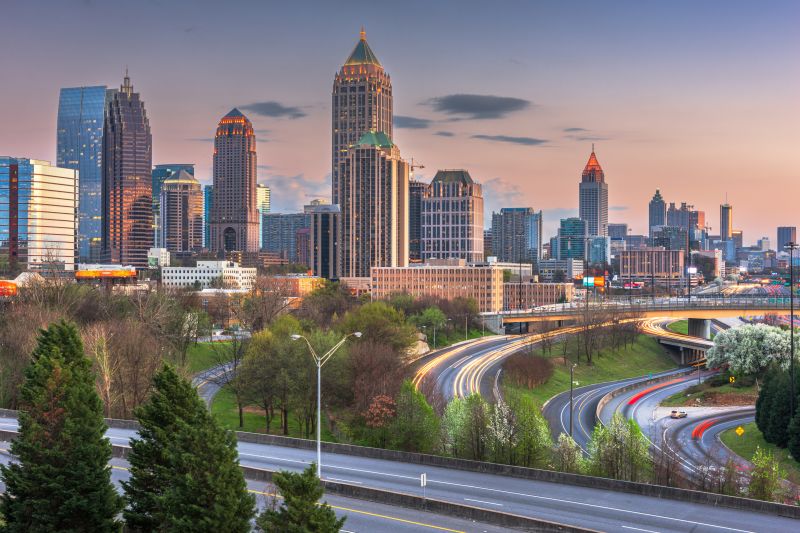
Thicket clearing services involve removing dense brush, overgrown vegetation, and unwanted underbrush to improve the safety, appearance, and usability of a property. These services are often requested for projects such as preparing land for new construction, creating open spaces for recreation or landscaping, or restoring natural areas that have become overgrown. Property owners typically want to understand the extent of clearing needed, the types of vegetation that will be removed, and how the process may impact existing trees or structures on the land.
Before requesting thicket clearing, homeowners should consider the size and condition of the area to be cleared, as well as any local regulations or restrictions related to land use. It’s helpful to have a clear idea of the desired outcome-whether it’s a cleared lot for development, a more manageable yard, or a natural space to preserve. Understanding the scope of work and any potential limitations can ensure the project aligns with property goals and expectations.
Many property owners in Atlanta, GA look into Thicket Clearing for repairs, replacements, upgrades, and appearance-related improvements.
Common Thicket Clearing Jobs
Thicket clearing involves removing dense brush and overgrown vegetation to improve property visibility and access.
Land clearing prepares sites for construction, landscaping, or new planting projects.
Brush removal helps reduce fire hazards and maintain a tidy yard.
Overgrowth management controls invasive plants and promotes healthy landscape growth.
Vegetation clearing enhances safety by eliminating hidden hazards and improving sightlines.
Fence line clearing creates clear boundaries and prevents encroachment on neighboring properties.
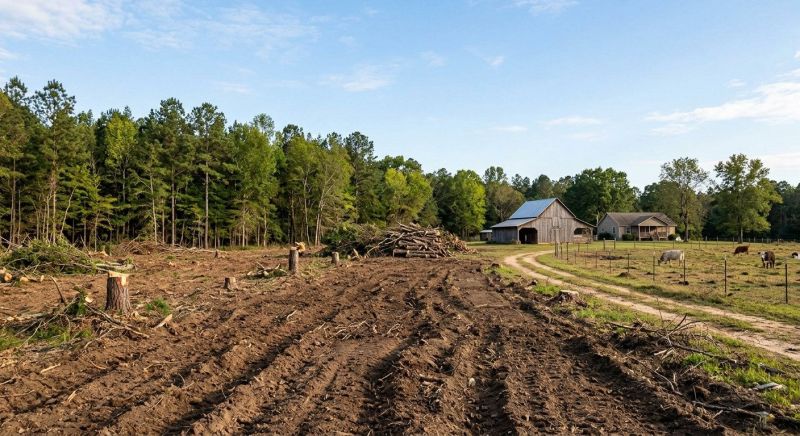
Thicket Clearing Questions
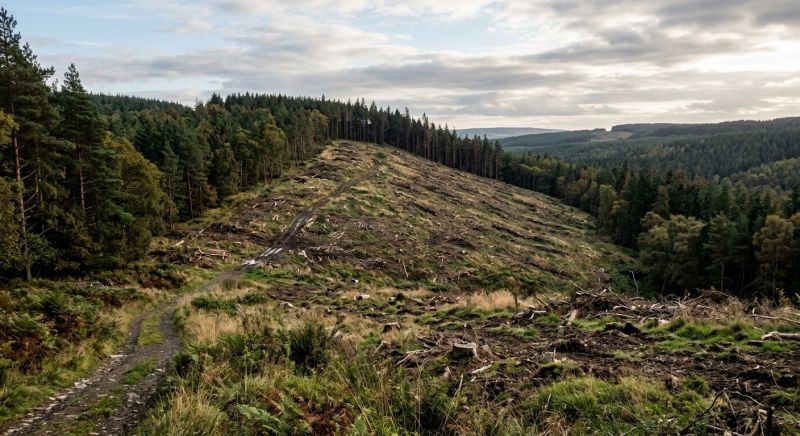
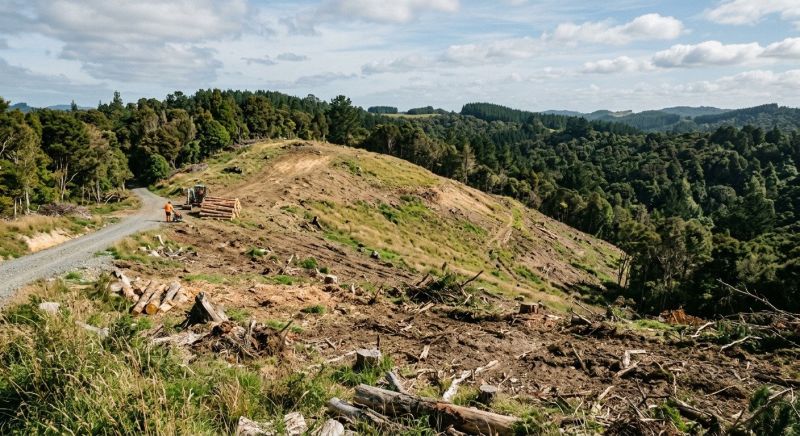
What is thicket clearing? Thicket clearing involves removing dense brush and woody vegetation to improve land accessibility and safety.
When is thicket clearing needed? It is often requested for property development, trail creation, fire prevention, or land management.
What types of vegetation are removed? Commonly cleared plants include thick shrubs, small trees, and invasive undergrowth.
What should property owners consider before clearing? It's important to evaluate land use plans and ensure proper disposal of removed materials.
Request Thicket Clearing in Atlanta, GA
Use the quote form on this page to share the basics of your project and request more information for the type of work you need.